Centrifugal Bowl Feeder Benefits for Efficient Production?
In the fast-paced manufacturing world, efficiency is key. Experts agree that a Centrifugal Bowl Feeder plays a vital role in optimizing production processes. Dr. Emily Turner, a renowned expert in automation technology, emphasizes, "Centrifugal Bowl Feeders are essential for enhancing workflow and reducing downtime."
These feeders are designed to handle various components, ensuring precise and rapid sorting. They rely on centrifugal force, allowing parts to move smoothly through the system. This not only boosts productivity but also minimizes manual intervention. Many businesses have found that integrating Centrifugal Bowl Feeders can significantly reduce labor costs and enhance output quality.
However, it's important to recognize the limitations. Not every component is suitable for these feeders. Some designs may require adjustments or custom solutions. Businesses must carefully assess their needs and capabilities. This reflection ensures that they can fully capitalize on the benefits while avoiding potential pitfalls associated with improper implementation.
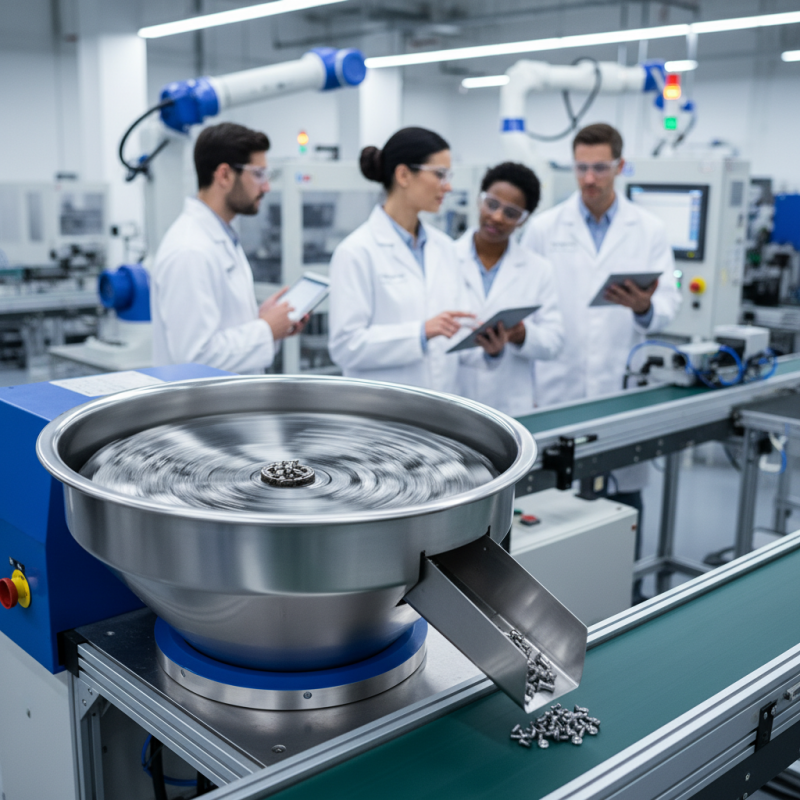
Advantages of Centrifugal Bowl Feeders in Manufacturing
Centrifugal bowl feeders offer significant advantages for seamless manufacturing processes. These systems facilitate the efficient handling of small parts, ensuring they are oriented correctly for downstream operations. According to a report by the Institute of Packaging Professionals, over 80% of manufacturers using centrifugal feeders noted reduced production downtime.
One key advantage of these feeders is their speed. They can achieve rates of up to 100 parts per minute, depending on the part's size and complexity. This increase in throughput can drastically enhance productivity. Additionally, centrifugal bowl feeders require minimal maintenance. Many manufacturers report lower labor costs due to fewer manual interventions.
However, not all setups work perfectly. Some designs may struggle with specific part geometries, leading to misalignment. Companies must evaluate component compatibility before implementation. This critical assessment helps ensure that the investment in a feeder aligns with production goals. By understanding these nuances, manufacturers can better leverage centrifugal bowl feeders for efficiency.
How Centrifugal Bowl Feeders Enhance Production Efficiency
Centrifugal bowl feeders play a vital role in enhancing production efficiency. These devices automate the material handling process, reducing manual intervention. Their design allows for a continuous supply of components, ensuring smooth operations. Workers can focus on added-value tasks instead of repetitive part feeding. This shift often leads to higher productivity levels.
One notable benefit is their ability to sort and orient parts as they feed. This precision minimizes the risk of errors during assembly. However, setting up the feeders can be challenging. Proper calibration is needed to match specific production needs, which can require significant time and expertise. An incorrectly tuned system can lead to production bottlenecks.
Moreover, while centrifugal bowl feeders are effective, they can sometimes struggle with certain materials. Lightweight or delicate items may not be fed effectively. This limitation requires careful consideration of the components being handled. It's crucial to assess whether a centrifugal bowl feeder fits the demands of your production line. Balancing efficiency with the specific requirements of the operation is key to achieving optimal results.
Key Features of Centrifugal Bowl Feeders for Streamlined Operations
Centrifugal bowl feeders play a crucial role in modern manufacturing. Their design promotes efficient parts handling, which significantly boosts productivity. According to a report by the Automation Industry Association, nearly 70% of manufacturers utilize some form of automated feeding technology. This reliance highlights the importance of reliable feeders in industrial processes.
One of the key features of centrifugal bowl feeders is their design flexibility. They can handle a wide range of part sizes and shapes. This versatility allows manufacturers to adapt quickly to changing production demands. In a recent study, companies that implemented these feeders noted a 30% reduction in downtime. This increase in efficiency can lead to substantial cost savings over time.
However, not all systems operate flawlessly. Some feeders face challenges with specific part geometries or sizes, which may require modifications. Continuous training and adaptation are necessary to maintain efficiency. A systematic approach can address these issues, but the lack of immediate solutions often frustrates operators. Despite these challenges, the benefits of centrifugal bowl feeders for streamlined operations are clear, making them a vital investment for growing industries.
Comparison of Centrifugal Bowl Feeders and Other Feeding Systems
Centrifugal bowl feeders are essential for many production lines. They offer unique benefits over traditional feeding systems. Their speed and efficiency in handling small parts are unmatched. This is crucial for industries that require high throughput.
In contrast, vibratory feeders and linear feeders have their strengths. Vibratory feeders are good for larger volumes but may lack precision. Linear feeders can handle larger parts but often run slower. When comparing, consider your production needs. For example, if precision and speed are key, a centrifugal bowl feeder might be the best choice.
Tips: Always assess your specific production requirements. Invest time in understanding the parts being fed. Test different feeder types to find the optimal solution. A trial phase can reveal hidden inefficiencies. Pay attention to maintenance requirements; it can save time and costs in the long run.
Centrifugal Bowl Feeder Benefits for Efficient Production
| Feature | Centrifugal Bowl Feeders | Vibratory Bowl Feeders | Other Feeding Systems |
| Speed of Feeding | High (up to 300 parts/min) | Moderate (up to 120 parts/min) | Varies widely |
| Part Handling | Small to large parts | Mainly small to medium parts | Depends on system type |
| Maintenance | Low | Moderate | Varies widely |
| Flexibility | Moderate | High | Varies widely |
| Application | High-speed applications | General-purpose feeding | Specialized systems |
Impact of Centrifugal Bowl Feeders on Labor and Material Costs
Centrifugal bowl feeders have become vital in manufacturing processes. They significantly influence labor and material costs. A study by the Institute for Supply Management found that automated systems, such as bowl feeders, can reduce labor costs by up to 30%. This impact is crucial for businesses aiming to enhance production efficiency.
Labor costs often eat into profit margins. Centrifugal bowl feeders can handle parts with precision and speed. This automation minimizes the need for manual assembly. Reports indicate that automated feeders can improve production rates by 50% while reducing human errors. Companies can refocus their workforce on more complex tasks, creating a more effective working environment.
**Tips:** Consider the type of materials used in your production. The right feeder system can reduce waste. Automation might require an upfront investment, but the long-term savings can offset this initial cost. Ensure regular maintenance of bowl feeders; neglected equipment can lead to increased downtime.
Centrifugal Bowl Feeder Impact on Labor and Material Costs