What is a Big Water Tank? Benefits, Types, and Maintenance Guide
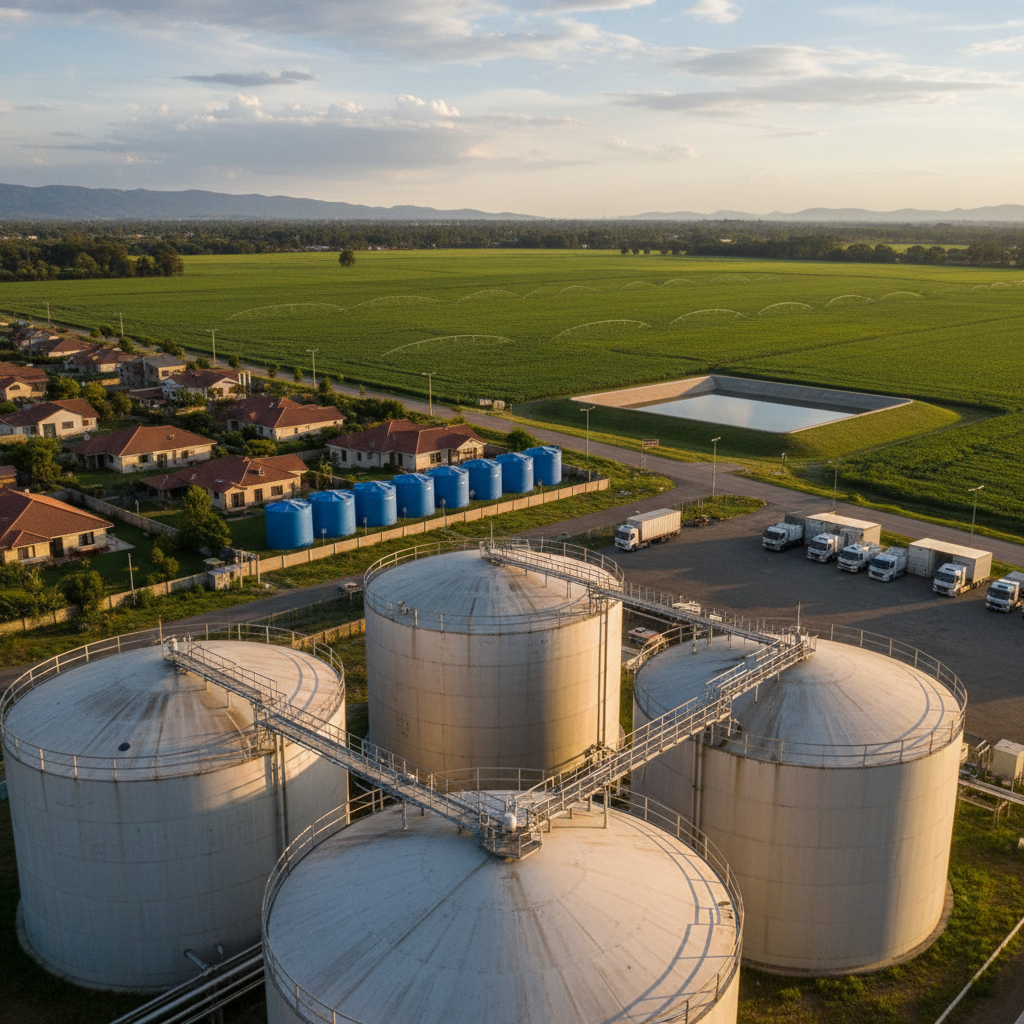
In recent years, the demand for big water tanks has surged, driven by the need for efficient water storage solutions across various sectors, including agriculture, industry, and residential use. According to a report by Global Market Insights, the market for water storage tanks is expected to exceed $1 billion by 2025, reflecting a growing recognition of the importance of reliable water management systems. Big water tanks not only provide ample storage capacity but also ensure that water resources are harnessed effectively, preventing wastage and enhancing sustainability.
The benefits of utilizing big water tanks are manifold, ranging from resource optimization and cost savings to improved resilience against drought conditions and fluctuating water availability. For instance, a study by the American Water Works Association highlights that large-scale water storage solutions can significantly reduce the economic impact of water shortages, benefiting both commercial operations and local communities. Furthermore, advancements in tank materials and designs have made it possible to customize big water tanks for specific applications, ensuring they meet varying regulatory and environmental standards.
As we evaluate the top five big water tanks of 2025, it is essential to consider not only their design and capacity but also the maintenance practices that ensure their longevity and efficiency. Proper maintenance routines can enhance the lifespan of water storage systems, promote safe drinking water compliance, and reduce overall operational costs. Exploring these factors will provide valuable insights for businesses and consumers alike looking to invest in sustainable water solutions.
Understanding the Different Types of Big Water Tanks Available in the Market
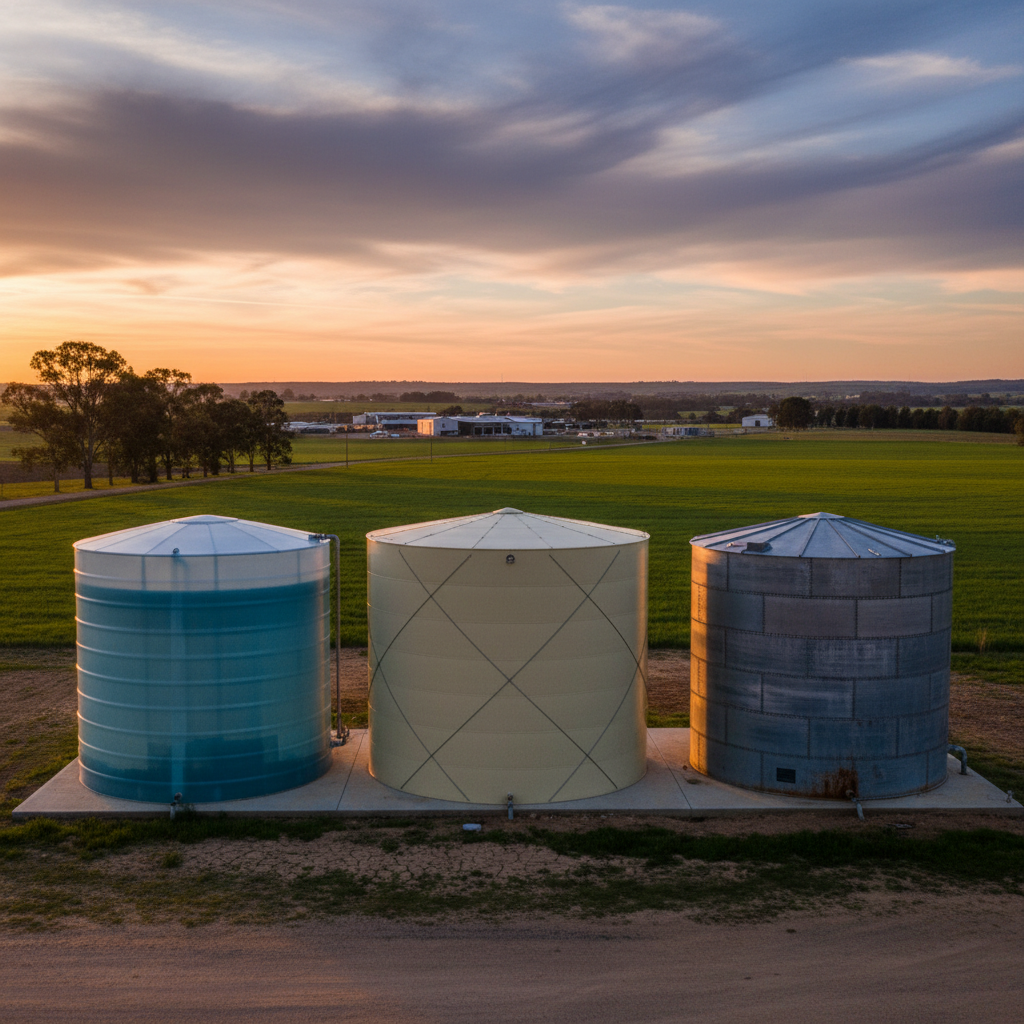
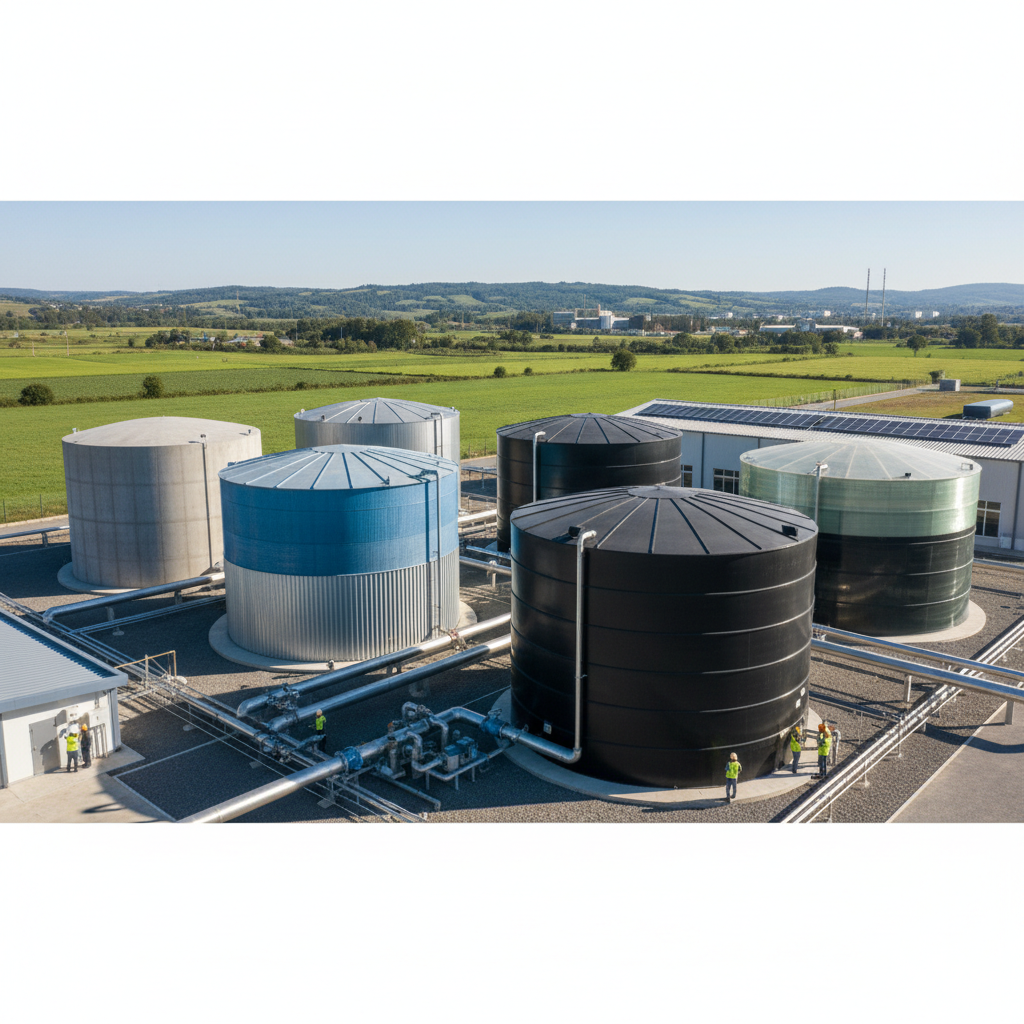
When it comes to choosing a big water tank, it’s essential to understand the different types available in the market. Big water tanks can be categorized into several types: plastic tanks, metal tanks, and concrete tanks. Each type comes with its unique benefits. For instance, plastic tanks are lightweight and resistant to corrosion, making them a practical choice for residential use. In contrast, metal tanks tend to be more durable and suitable for industrial applications, while concrete tanks offer stability and a long lifespan, making them ideal for large-scale water storage solutions.
According to a recent industry report, the global water storage system market is projected to grow significantly, from $20.91 billion in 2025 to $36.32 billion by 2030. This growth can be linked to increasing water scarcity and the need for efficient water management systems.
Tips: When selecting a big water tank, consider factors such as the purpose, budget, and space available. It’s advisable to assess the quality of materials to ensure longevity. Regular maintenance checks, including inspecting for leaks and cleaning, will also enhance the tank's lifespan and efficiency. Ensure to research local regulations regarding water storage systems, as they might affect your choice.
Key Benefits of Using Big Water Tanks for Residential and Industrial Needs
Big water tanks serve vital functions in both residential and industrial settings, providing a reliable and efficient way to store significant volumes of water. Their key benefits include ensuring a consistent water supply during dry periods, supporting irrigation and agricultural needs, and playing a crucial role in emergency preparedness. For industries, these tanks can help in managing water for manufacturing processes and reduce operational disruptions.
When considering the maintenance of large water tanks, regular inspections and cleaning are essential to prevent contamination and structural deterioration. A proactive maintenance schedule will not only prolong the life of the tank but also ensure the safety of the stored water.
**Tips:** To optimize the benefits of big water tanks, monitor the water quality regularly and implement filtration systems if necessary. Additionally, consider using tank covers to prevent debris accumulation and reduce evaporation. This will help maintain clean water storage while enhancing the efficiency of water usage in both residential and industrial settings.
Essential Maintenance Tips to Ensure Longevity of Your Water Tank
Maintaining a big water tank is crucial for ensuring its longevity and optimal performance. According to a report by the Water Quality Association, regular maintenance can extend the lifespan of water storage systems by up to 30%. One of the essential maintenance tips is to conduct frequent inspections for any signs of wear or corrosion. Monitoring the tank for leaks or rust can prevent minor issues from escalating into costly repairs. It is recommended to check the tank's structural integrity at least twice a year, ensuring that all seals and joints are intact.
In addition to physical inspections, water quality testing is vital. The Centers for Disease Control and Prevention (CDC) emphasizes the importance of maintaining safe water quality, advising that homeowners should test their water annually for contaminants. Cleaning the tank regularly, typically every 5-10 years, and replacing filters as needed can significantly improve water quality and efficiency. Utilizing proper cleaning methods not only enhances water safety but also ensures that the tank operates efficiently, helping to conserve resources and prevent unnecessary expenditures.
Big Water Tank Types and Their Benefits
This chart represents the capacities of different types of big water tanks. It highlights the advantages of choosing among concrete, steel, plastic, and fiberglass tanks, based on their water retention capabilities.
Comparative Analysis: Above Ground vs. Below Ground Water Tanks
When considering water storage solutions, the choice between above ground and below ground water tanks plays a crucial role in their functionality and application. Above ground tanks are generally easier and quicker to install, making them a popular choice for residential use. According to a report by Global Water Solutions, about 60% of homeowners prefer above ground tanks for their accessibility and lower initial costs. Additionally, these tanks are often used in emergency water storage due to their visibility and ease of maintenance.
Conversely, below ground tanks, while more costly and labor-intensive to install, offer significant benefits in terms of space conservation and aesthetic appeal. They can hold a larger volume of water, which is advantageous for agricultural and industrial applications. A study by the American Society of Civil Engineers indicates that below ground tanks can reduce water evaporation rates by up to 30%, making them an efficient choice for areas prone to drought. Moreover, these tanks are less vulnerable to damage from environmental factors, providing long-term reliability for water storage needs. Each type has its pros and cons, and the decision largely depends on specific requirements and environmental conditions.
What is a Big Water Tank? Benefits, Types, and Maintenance Guide
| Feature |
Above Ground Water Tank |
Below Ground Water Tank |
| Installation Cost |
Lower initial costs |
Higher installation costs due to excavation |
| Maintenance |
Easier access for repairs |
Maintenance can be challenging |
| Durability |
Prone to damage from weather and UV rays |
More protected from environmental factors |
| Space Requirement |
Requires more surface area |
Utilizes underground space effectively |
| Water Quality |
More exposure to contaminants |
Generally better water quality due to isolation |
| Aesthetic Consideration |
Visible, can be unsightly |
Hidden from view, more aesthetically pleasing |
Factors to Consider When Choosing the Right Big Water Tank for Your Needs
When selecting the right big water tank, several key factors come into play that can greatly affect its appropriateness for your needs. First, consider the material of the tank, as this influences durability, maintenance, and cost. Common materials include polyethylene, fiberglass, and steel, each with its own advantages and disadvantages. Additionally, evaluate the tank's size and capacity based on your specific requirements, whether for residential, agricultural, or industrial use.
Another crucial factor is the intended use of the water tank. For example, if it’s for potable water storage, ensure that the tank complies with health and safety standards. Environmental conditions such as temperature fluctuations and exposure to sunlight should also be taken into account, as they might require specific features like insulation or UV protection.
Lastly, don't overlook the installation and maintenance aspects, as accessibility to the site and ease of upkeep can significantly impact long-term satisfaction with your water tank investment.