Best Agricultural Castings for Your Global Procurement Needs?
In the ever-evolving world of agriculture, the importance of quality Agricultural Castings cannot be overstated. These castings play a crucial role in enhancing the efficiency and productivity of agricultural machinery. Farmers and manufacturers alike depend on reliable components to ensure smooth operations. High-quality castings can lead to lower maintenance costs and improved performance, making them a vital part of global procurement strategies.
The market for Agricultural Castings is diverse and complex. Various materials and manufacturing processes impact their effectiveness. It is essential to choose suppliers with a proven track record and expertise in this field. Understanding the nuances of different casting types helps in making informed decisions. However, not all options will meet the rigorous demands of an evolving agricultural sector.
Navigating this market can be challenging. Quality assurance, supplier reliability, and cost-effectiveness are often imperfectly aligned. This process requires reflection and careful consideration. Ultimately, the right Agricultural Castings can lead to significant gains in efficiency and productivity, but selecting them necessitates diligence and discernment.
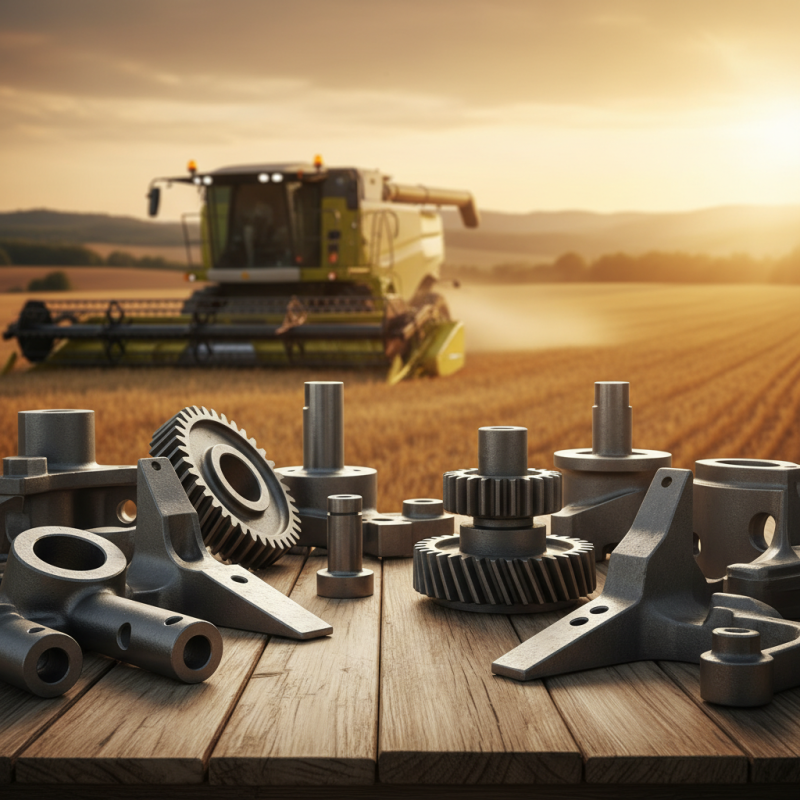
Best Agricultural Castings: An Overview of Global Relevance
In the agricultural casting industry, global relevance is paramount. The demand for durable and efficient castings has surged due to rising agricultural production needs. According to industry reports, the agricultural castings market is projected to grow at a compound annual growth rate of 5% over the next five years. This trend reflects the increasing reliance on mechanization in farming practices.
Quality castings contribute directly to machinery efficiency and longevity. Farmers and manufacturers often seek materials that withstand harsh environments. Castings made from ductile iron, for example, have proven to provide significant benefits. These castings offer excellent strength-to-weight ratios and resistance to wear, which can lead to reduced maintenance costs. Yet, it is crucial to be aware that not all castings meet the necessary standards. Implementing rigorous testing protocols can ensure reliability.
When exploring global procurement options, businesses should scrutinize suppliers' credentials. A focus on sustainable practices is also essential. Recent studies indicate that environmentally friendly production methods are gaining traction. However, the transition to more sustainable materials may come with higher initial costs. Balancing cost and sustainability continues to challenge industry players while advancing agricultural innovation.
Best Agricultural Castings: Overview of Global Relevance
Types of Agricultural Castings: Materials and Applications
Agricultural castings play a vital role in modern farming. They are essential for various applications, including tools, machinery, and equipment. Farmers often seek durable materials that can withstand harsh conditions. Common materials for agricultural castings include iron, aluminum, and brass. Each material has unique properties suited for different purposes.
Iron castings are sturdy and offer strength under heavy loads. They are often used in plows and garden tools. On the other hand, aluminum is lightweight and resistant to corrosion. Equipment made from aluminum is easier to handle. Brass castings are known for their excellent resistance to wear and tear, making them ideal for fittings and connectors.
The choice of material also depends on environmental factors. Humidity, temperature, and soil conditions can affect the performance of castings. Not every farmer understands which material is best. Some may experience wear sooner than expected. This highlights the importance of adequate research and consultation with experts. The right agricultural casting ensures efficiency and productivity in the field.
Selecting High-Quality Castings for Agricultural Machinery
Selecting high-quality castings for agricultural machinery is critical. Castings are fundamental components in tractors, harvesters, and other equipment. According to the Agricultural Castings Market Report 2022, the demand for durable and efficient castings is projected to grow at a rate of 5% annually. This growth underscores the need for sourcing reliable suppliers.
Quality can vary significantly among manufacturers. Defects in castings, like porosity and shrinkage, can lead to equipment failures. A recent study indicated that 20% of machinery downtime is linked to poor-quality castings. It highlights the importance of rigorous testing and quality assurance in the procurement process.
Sourcing castings from reputable suppliers ensures compliance with industry standards. Certifications like ISO 9001 and adherence to ASTM guidelines can guide procurement decisions. However, not all suppliers are transparent in their processes, which can complicate supplier evaluation. Understanding these factors can lead to better procurement strategies in the agricultural sector.
Key Suppliers and Manufacturers in the Global Market
When sourcing agricultural castings, understanding the landscape of key suppliers and manufacturers is crucial. The global market for agricultural components continues to grow, presenting various options for procurement. Trustworthy suppliers are essential for ensuring quality and efficiency. Regions like North America and Europe often feature manufacturers known for high-grade materials and innovative designs.
In contrast, emerging markets may offer cost-effective solutions but require careful vetting. It can be beneficial to visit factories or pilot sites. This allows for hands-on evaluation of their processes. Develop a checklist for supplier assessments. Identify critical factors, such as lead times, shipping logistics, and production capacities.
Tips: Research industry standards and certifications. This helps in identifying reliable partners. Consider the economic stability of supplier countries as well. Economic shifts can impact material availability and pricing. Always maintain open lines of communication with potential suppliers to ensure transparency. Fostering these relationships can lead to favorable terms and consistent supply.
Best Agricultural Castings for Your Global Procurement Needs
| Product Type | Material Used | Country of Origin | MOQ (Minimum Order Quantity) | Lead Time | Certifications |
| Cast Iron Ploughshare | Cast Iron | USA | 100 pieces | 4 weeks | ISO 9001 |
| Aluminum Seeder | Aluminum Alloy | Germany | 50 pieces | 3 weeks | CE, RoHS |
| Steel Cultivator | Carbon Steel | China | 200 pieces | 5 weeks | ISO 9001, ASME |
| Bronze Garden Hose Fittings | Bronze | India | 150 pieces | 2 weeks | ANSI, NSF |
Trends and Innovations in Agricultural Casting Technologies
Innovations in agricultural casting technologies are transforming the industry. Today’s castings are lighter, stronger, and more durable. Recent studies show global investments in agricultural machinery are expected to reach $120 billion by 2024. This surge drives innovations in casting processes, enhancing efficiency and reducing waste.
One significant trend is the use of advanced alloys. These materials can withstand extreme conditions, improving the lifespan of equipment. For example, aluminum castings are becoming popular for their weight advantage and resistance to corrosion.
However, not all manufacturers adapt to these changes quickly.
Tips: Focus on suppliers using the latest techniques. Visiting industry expos is essential for assessing material advancements. Ensure your partners provide data on performance metrics. Emphasizing collaboration will lead to smarter procurement choices. Agricultural casting technologies continue to evolve, but challenges in adaptation remain prevalent.
Assessing each option critically ensures the best procurement outcomes.