Top 5 Benefits of Using Water Tanks for Your Home and Garden
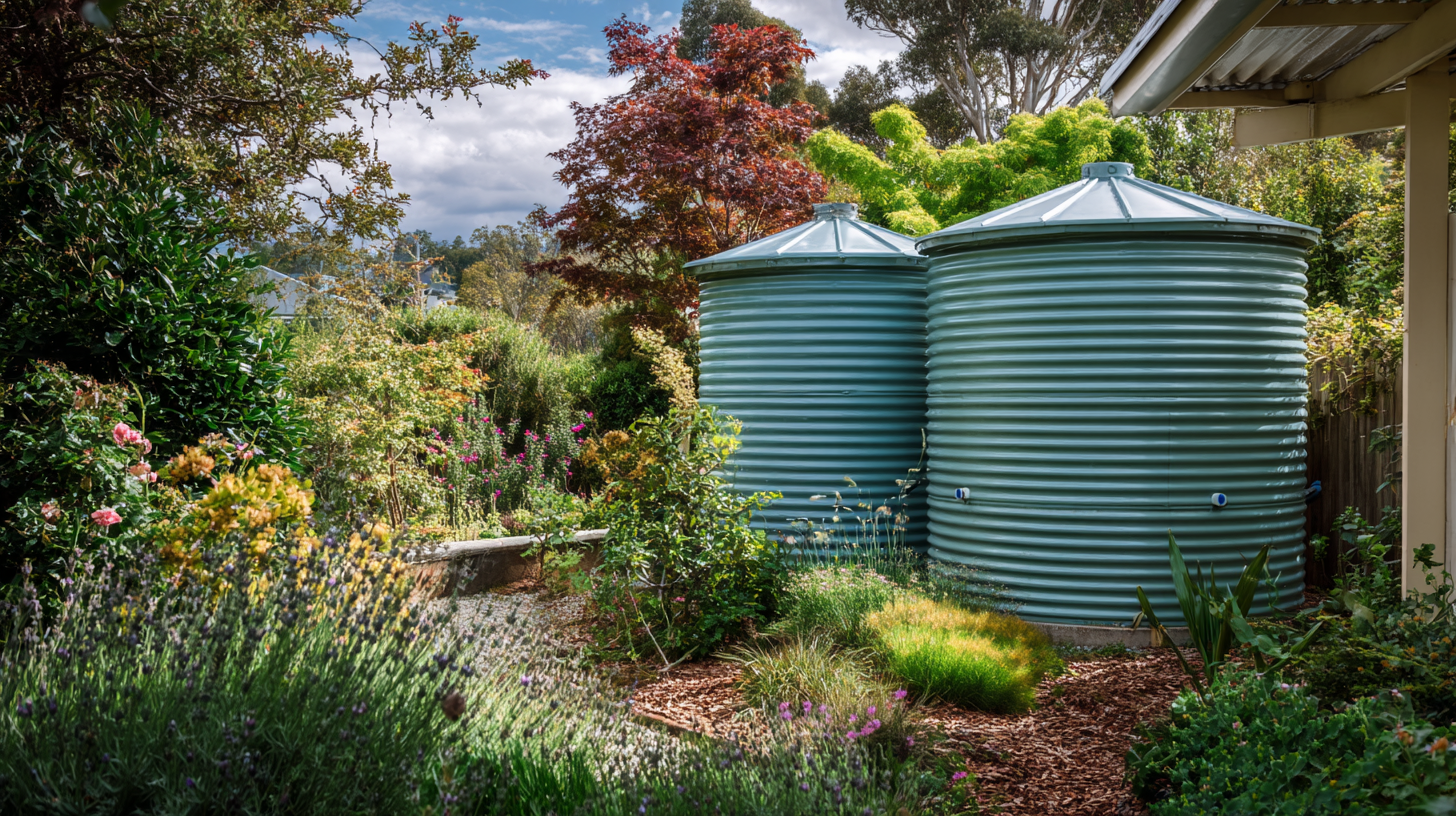 Water tanks have become an essential resource for homeowners and gardeners alike, offering a plethora of benefits that enhance both water conservation and landscape management. As climate conditions become increasingly unpredictable and water scarcity looms as a pressing issue, the importance of utilizing water tanks cannot be overstated. They serve not only as a practical solution for rainwater collection but also empower individuals to take charge of their water usage, reducing reliance on municipal supplies and promoting environmental sustainability.
In this article, we will explore the top five benefits of using water tanks for your home and garden. From facilitating efficient irrigation practices to providing a reliable source of water during dry spells, these tanks play a crucial role in nurturing plants and maintaining a healthy garden. Moreover, water tanks can contribute to lower utility bills and increase property value – making them a wise investment for any homeowner. Embracing the advantages of water tanks transforms everyday practices, offering a greener approach to living and gardening that aligns with modern sustainability goals.
Advantages of Water Storage for Sustainable Gardening Practices
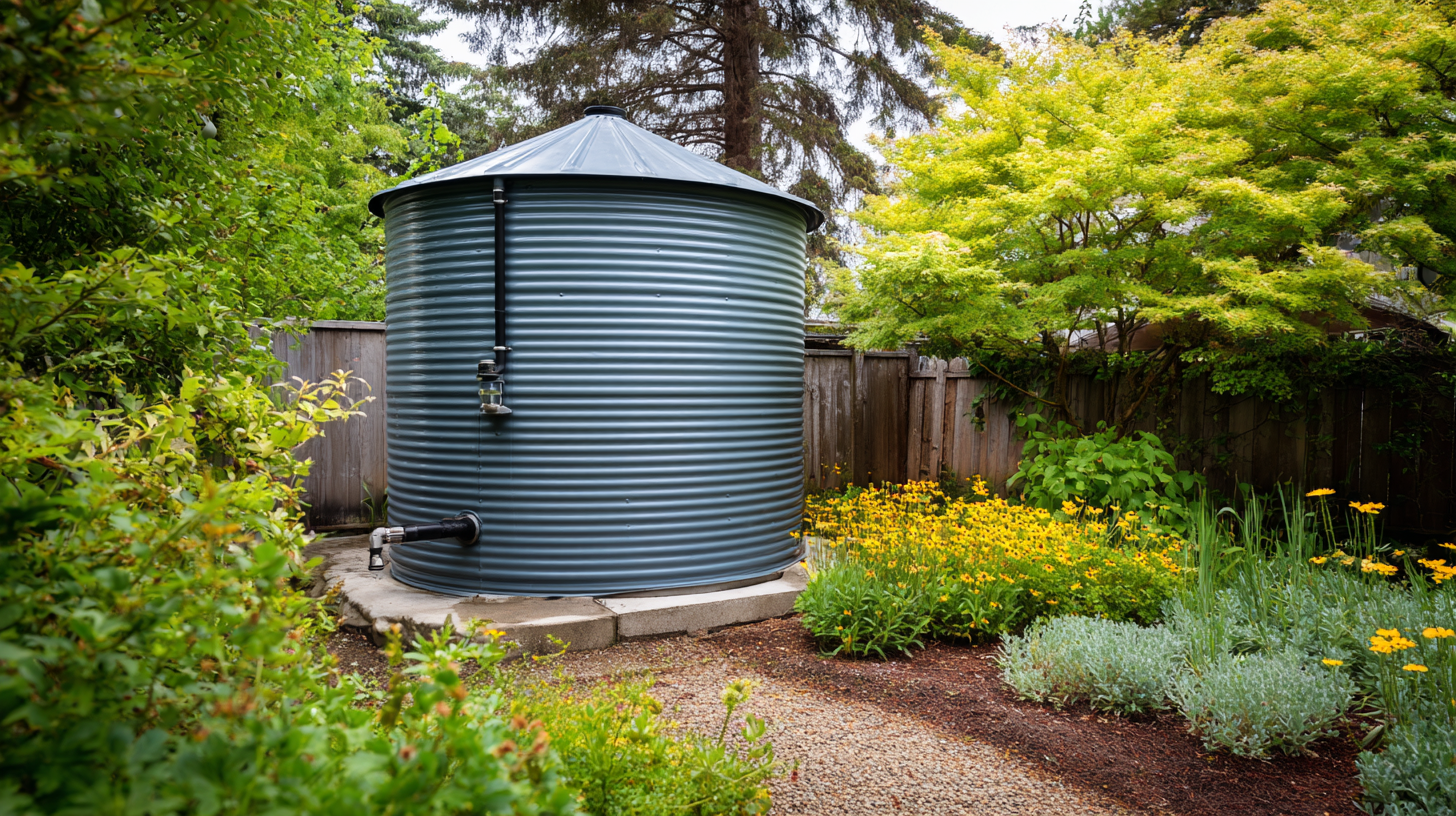
One of the most significant advantages of using water tanks for sustainable gardening practices is the conservation of water resources. By collecting rainwater or repurposing greywater, homeowners can reduce their dependency on municipal water systems. This not only helps to alleviate pressure on local water supplies but also lowers water bills, making gardening more economical over time. Utilizing water tanks allows gardeners to gather a natural resource that otherwise goes to waste, promoting a cycle of sustainability right from their rooftops to their garden beds.
Additionally, water tanks help to promote healthier plant growth. Stored water is often free of the chemicals found in tap water, such as chlorine, which can be harmful to sensitive plants. The use of rainwater is particularly beneficial, as it tends to be softer and more nutrient-rich, offering a better environment for plants to thrive. Furthermore, having a reliable water source on hand enables gardeners to maintain consistent moisture levels in soil, which is crucial for establishing strong root systems and preventing drought stress during dry spells. Ultimately, utilizing water tanks aligns gardening practices with environmental stewardship, fostering a more sustainable and productive green space.
Enhancing Household Water Efficiency with Rainwater Harvesting
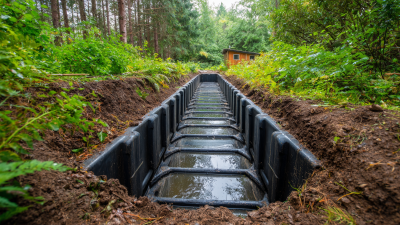
Rainwater harvesting is an efficient method of enhancing household water efficiency, especially in areas prone to drought or with limited water resources. By capturing rainfall through water tanks and storage systems, homeowners can significantly reduce their reliance on municipal water supplies. This practice not only conserves water but also provides a sustainable solution to meet the growing demand for water in urban settings. With the increasing impacts of climate change, which leads to short bursts of heavy rainfall followed by prolonged dry spells, rainwater harvesting can ensure that families have a consistent supply of water for both domestic use and gardening.
Moreover, the market for storage systems, including those used for rainwater collection, is evolving. Various materials like concrete, steel, plastic, and fiberglass are now utilized to construct efficient systems tailored for different applications such as potable water storage and firefighting. In cities struggling with water shortages, like Beijing, rainwater systems are essential. They support public policies aimed at improving water efficiency and sustainability, protecting the water needs for agricultural and domestic purposes. Such systems not only mitigate the risks associated with water scarcity but also enhance urban resilience against climate variability.
Top 5 Benefits of Using Water Tanks for Your Home and Garden
Cost Savings and Financial Incentives from Water Tank Installation
Installing water tanks for your home and garden can lead to
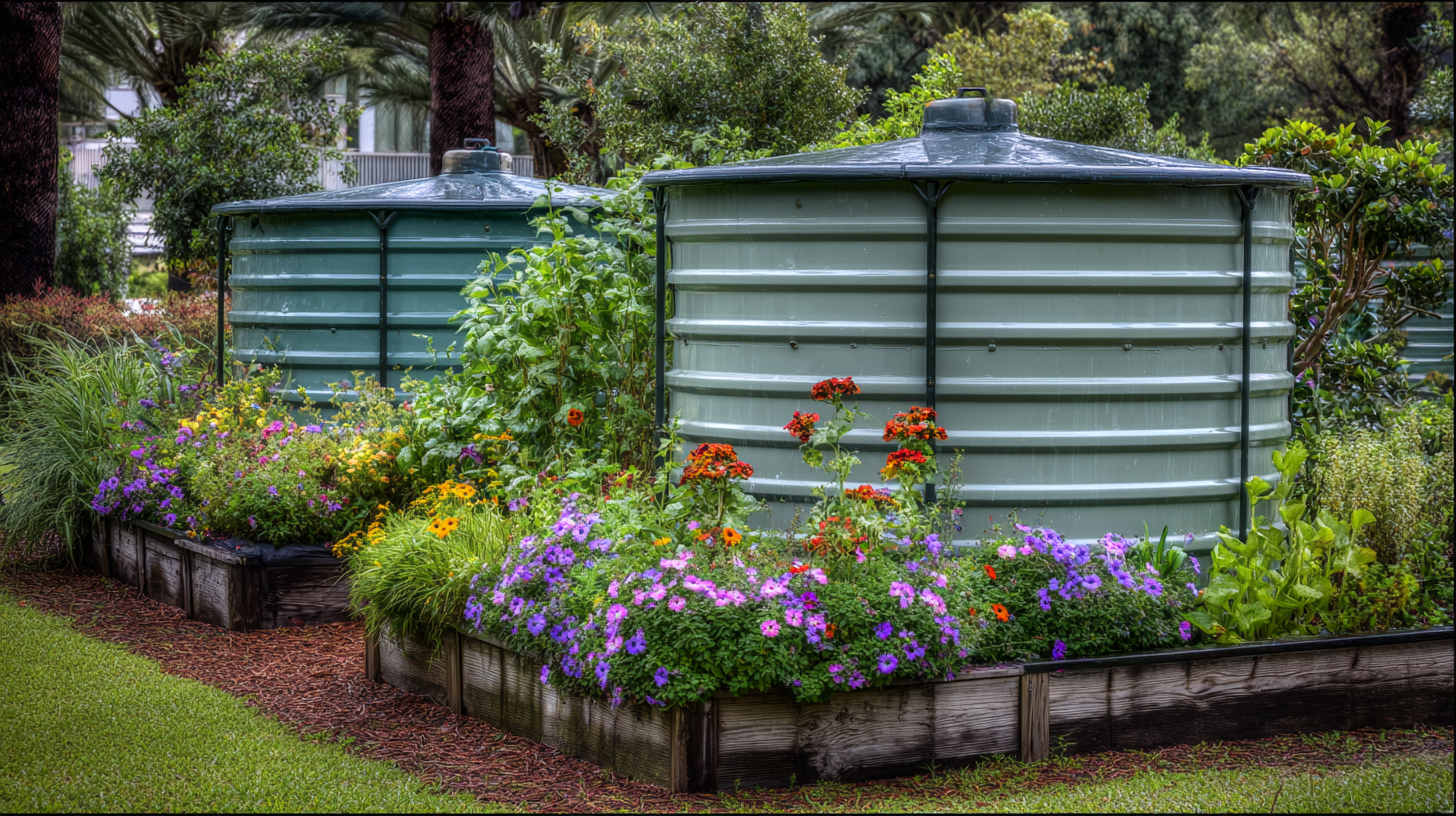
significant cost savings and financial incentives. One of the primary advantages is the reduction in water bills,
particularly in areas where water rates are high. By harvesting rainwater, homeowners can use this free resource
for irrigation, flushing toilets, and even washing cars, effectively decreasing reliance on municipal water supply.
Over time, these savings can accumulate, making water tanks a wise investment.
Additionally, many governments offer financial incentives
to encourage the installation of rainwater harvesting systems. These incentives can come in the form of rebates, tax credits, or grants that lessen the upfront costs
associated with purchasing and installing a water tank. By taking advantage of these programs, homeowners not only
contribute to sustainable water management but also enhance
their financial standing. This interplay of environmental responsibility and economic benefit positions water tanks
as a strategic addition to any property.
Promoting Eco-Friendly Lifestyle through Water Conservation Techniques
Water conservation is becoming increasingly essential in today’s world, especially considering the alarming statistics surrounding water usage. According to the Environmental Protection Agency (EPA), the average American household uses about 300 gallons of water per day, with nearly 30% of that allocated to outdoor activities like gardening. Implementing water tanks in homes can significantly mitigate this consumption by harvesting rainwater, which not only reduces dependency on municipal water supplies but also promotes an eco-friendly lifestyle.
The integration of water tanks for irrigation purposes can lead to substantial savings. A study by the Rainwater Harvesting Association revealed that utilizing rainwater systems can decrease water bills by up to 50% during peak usage months. This strategy not only promotes sustainability but also aids in managing stormwater runoff, which can lead to environmental degradation. Furthermore, utilizing collected rainwater for gardening can lead to healthier plants, as it is typically free from the chemicals found in treated water. By incorporating water tanks, homeowners are not only contributing to water conservation efforts but also cultivating a more resilient and sustainable living environment.
Improving Plant Health and Growth with Reliable Water Supply Systems
Water tanks are an excellent solution for ensuring a consistent water supply for your home and garden, significantly enhancing plant health and growth. By collecting and storing rainwater or other sources, these tanks provide a reliable resource for irrigation, reducing dependency on municipal water systems. This is especially beneficial during dry spells or droughts, as plants can access water when they need it the most. With a reliable water supply, your garden can thrive, exhibiting more vibrant colors and improved resilience against pests and disease.
To make the most of your water tank, consider these tips: First, install a rainwater harvesting system to maximize the water collected and ensure it’s filtered to eliminate debris. Second, use drip irrigation systems connected to your water tank to deliver moisture directly to the roots of your plants, minimizing water wastage and promoting healthier growth. Lastly, ensure your water tank is shaded to prevent algae growth and maintain water quality, creating an optimal environment for your plants to flourish.