Top Benefits of Using Underground Water Tanks for Your Needs?
Underground water tanks offer a practical solution for diverse water storage needs. Many homeowners seek reliable ways to manage their water supply, especially in areas where droughts are common. An underground water tank provides a space-efficient option. It can easily blend into your landscape, avoiding unsightly installations above ground.
Moreover, these tanks help in conserving water. Rainwater collection becomes more effective with an underground system, reducing reliance on municipal sources. With proper maintenance, these tanks can last for decades. They are designed to withstand various environmental conditions, ensuring long-term functionality.
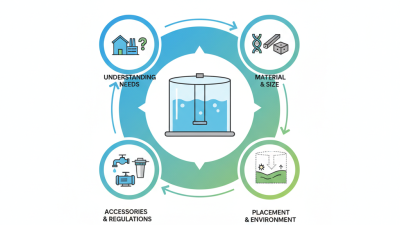
However, investing in an underground water tank requires careful consideration. Site selection, installation, and regulatory compliance are crucial. Understanding these factors can enhance reliability and performance. Ultimately, an underground water tank can be a significant asset, providing peace of mind and sustainability for your water needs.
Advantages of Storing Water in Underground Tanks
Storing water in underground tanks has numerous advantages. These tanks keep water cool and reduce evaporation. They take up less surface space, making them ideal for urban areas. Installation is often easier than above-ground options. With proper installation, underground tanks can last for decades, providing reliable water storage.
Tips for maintaining your underground tank include regular inspections. Check for leaks or corrosion to prevent contamination. Consider adding a filtration system to ensure water quality. This can make a significant difference in your water use. Monitor levels frequently to avoid overflow.
Another benefit is protection against extreme weather. Above-ground tanks can be damaged by storms or high winds. Underground tanks are more sheltered, offering additional durability. They can also be less visually disruptive in your landscape. While installing an underground tank involves initial costs, the long-term savings can outweigh them.
Environmental Benefits of Underground Water Tanks
Underground water tanks offer significant environmental benefits. They help conserve rainwater, reducing runoff and preventing flooding in urban areas. By capturing and storing rainwater, these tanks support groundwater recharge. This process is essential for maintaining a balanced ecosystem.
Using underground tanks also promotes sustainability. They decrease reliance on municipal water sources. By utilizing rainwater for irrigation or non-potable uses, households can lower their water bills. However, installing these systems requires careful planning. It’s important to consider local regulations and maintenance needs. This effort can impact overall efficiency.
There are challenges too. Proper installation is crucial. Poorly designed systems may lead to leaks or contamination. Regular maintenance is vital to ensure water quality. Educating homeowners about these aspects can enhance the effectiveness of underground water tanks, promoting a more sustainable future.
Top Benefits of Using Underground Water Tanks for Your Needs
| Benefit |
Description |
Environmental Impact |
| Water Conservation |
Collects and stores rainwater for future use, reducing the dependency on municipal water sources. |
Helps in preserving local water resources and reduces erosion. |
| Space Efficiency |
Underground tanks utilize space beneath the ground, freeing up surface areas for other uses. |
Minimizes landscape disruption, promoting natural habitats. |
| Reduced Heat Absorption |
Being underground, tanks mitigate heat absorption, keeping water cooler naturally. |
Supports cooling of surrounding soil, benefiting local microclimates. |
| Flood Mitigation |
Stores excess rainwater, preventing surface runoff and flooding. |
Reduces the risk of urban flooding and soil drainage issues. |
| Cost Savings |
Lower water bills and potential tax incentives for water conservation practices. |
Encourages sustainable living practices, benefiting the environment financially. |
Cost-Effectiveness of Underground Water Storage Solutions
Cost-effectiveness is a major advantage of underground water storage solutions. These tanks are typically made from durable materials that withstand environmental pressures. This longevity reduces the need for frequent replacements, lowering overall costs. Additionally, underground tanks do not take up valuable surface space. They can help maintain aesthetic appeal while still offering practical utility.
Investing in an underground tank can lead to significant savings. Homeowners can collect rainwater to use for irrigation or other non-potable needs. This reduces reliance on municipal water sources, which often come with higher fees. By effectively managing water usage, families can experience noticeable reductions in utility bills.
However, upfront costs can be a concern. Installation can be complex and may require professional assistance. Without careful planning, unexpected expenses may arise. It’s essential to evaluate local regulations and potential maintenance costs before committing. Balancing these factors will help maximize the benefits of underground water storage.
Space Optimization with Underground Water Tanks
Underground water tanks are valuable tools for optimizing space. They can significantly reduce clutter in residential and commercial areas. Unlike conventional above-ground storage solutions, these tanks utilize the ground for efficient water collection and storage. This feature is especially beneficial in urban settings where space is limited. Utilizing underground tanks allows for the development of functional landscapes above them.
Consider a garden, patio, or drive that occupies the same area. The tank's placement ensures that precious ground space remains available for activities and aesthetics. Homeowners can enhance their property value with hidden water storage. In contrast, the visible tanks can disrupt the visual harmony of a landscape.
However, the excavation process for installation can be a consideration. Proper planning is essential to avoid complications during construction. Additionally, maintenance and accessibility for repairs should not be overlooked. Despite these challenges, the benefits of maximizing usable space can outweigh potential downsides. Underground water tanks ultimately contribute to a more organized and visually appealing environment.
Maintenance Considerations for Underground Water Storage Systems
Underground water tanks are an excellent solution for water storage. However, proper maintenance is crucial for ensuring their longevity and efficiency. Regular inspections can help identify leaks, corrosion, or blockages. Neglecting these checks may lead to bigger issues.
It’s essential to keep the tank clean. Sediment can build up over time, affecting water quality. Cleaning the tank at least once a year is advisable. Use a simple mixture of water and mild detergent for effective cleaning. Rinse thoroughly to eliminate any residue.
Consider the surrounding environment. Roots from nearby trees can penetrate the tank and cause damage. Keeping a clear zone around the tank is wise. Additionally, ensure that the lid is securely sealed. This prevents contamination and keeps pests away. Small details matter. They can significantly impact the functionality of your water storage system. Regular maintenance will pay off in the long run.
Top Benefits of Using Underground Water Tanks for Your Needs
This bar chart illustrates the various benefits of using underground water tanks, highlighting key advantages such as cost efficiency, space savings, water quality, environmental benefits, and reduced evaporation. Each benefit is represented by a percentage value indicating its significance among the options.