Top Benefits of Using a Large Plastic Water Tank for Storage Solutions?
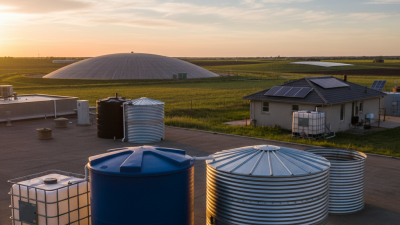
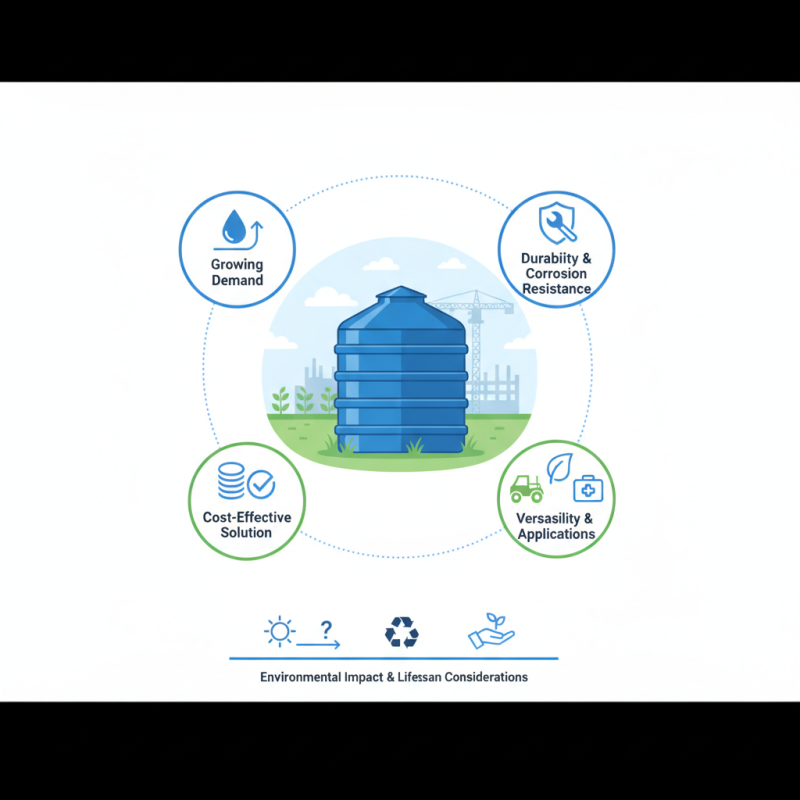
In recent years, the popularity of the large plastic water tank has surged significantly. According to industry reports, the demand for such tanks is projected to grow by over 5% annually. This growth stems from their numerous advantages in various applications, including agriculture, construction, and emergency preparedness. These tanks provide a cost-effective solution for water storage, ensuring a reliable supply for diverse needs.
Large plastic water tanks are lightweight yet durable, making them easy to transport and install. They resist corrosion, which makes them suitable for long-term use. Moreover, they can be manufactured in various sizes to fit different requirements. However, concerns about environmental impact and lifespan need attention. While they are typically UV-resistant, prolonged exposure may still degrade the material over time.
Choosing the right storage solution requires careful consideration of these factors. The flexibility of large plastic water tanks can enhance operational efficiency. Yet, users must reflect on their specific needs and constraints to fully maximize their benefits. Balancing utility and sustainability is essential in today's world.
Benefits of Large Plastic Water Tanks for Efficient Storage Solutions
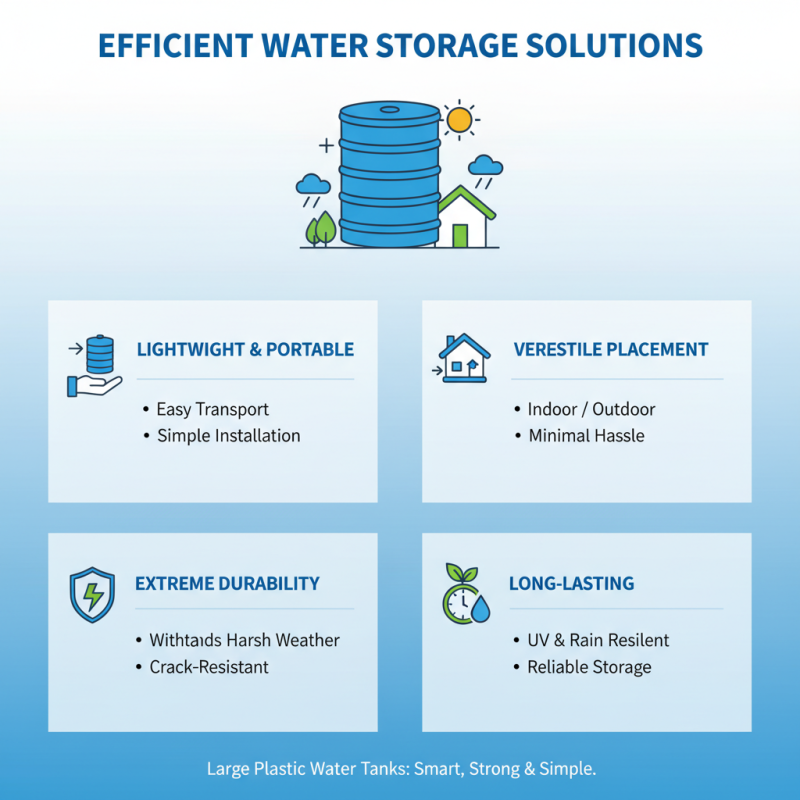
Large plastic water tanks offer numerous benefits for efficient storage solutions. Their lightweight design makes them easy to transport and install in various locations. You can place them outdoors or indoors with minimal hassle. Their durability ensures they withstand harsh weather conditions, withstanding sun and rain without cracking.
These tanks are also resistant to rust and corrosion. This makes them suitable for agricultural, industrial, and residential use. Many people find that large plastic tanks can hold significant volumes of water, reducing the need for frequent refills. They can even be customized with various fittings and accessories for added flexibility.
However, it’s essential to consider the placement of these tanks. Improper positioning can lead to limitations in accessibility and usability. Ensuring proper maintenance is crucial to prevent algae growth and other potential issues. While they provide a convenient storage solution, periodic checks are necessary to ensure optimal performance over time.
Durability and Longevity of Large Plastic Water Tanks
Large plastic water tanks are increasingly popular for storage due to their durability and longevity. These tanks, often made from high-density polyethylene (HDPE), can withstand harsh weather conditions. According to a report by the American Society of Civil Engineers, HDPE tanks can last up to 30 years with proper maintenance. This makes them a cost-effective solution for many industries.
The resistance of plastic tanks to corrosion and rusting adds to their lifespan. Unlike metal tanks, large plastic models do not suffer from rust, which often necessitates replacement. An industry study found that corrosion can cut tank life by up to 50% in metal storage solutions. By choosing plastic, users often face fewer repair costs over time.
In some cases, however, poor handling during installation can affect performance. Tanks should be transported carefully to avoid damage. Even small cracks can lead to leaks, compromising storage integrity. This highlights the importance of proper installation techniques to maximize the tank's longevity. A little attention here can yield significant benefits down the line.
Cost-Effectiveness of Large Plastic Water Tanks Compared to Alternatives
When it comes to storing water, large plastic water tanks offer a cost-effective solution. Unlike metal tanks, plastic tanks are often lighter and easier to install. This can save time during setup, reducing initial costs. They're also corrosion-resistant, which can lead to fewer repair needs over time.
Tips: Always check for local regulations on tank installation. Underestimating these can lead to fines.
Plastic tanks generally have lower upfront costs compared to concrete or steel options. They also require less maintenance. However, some cheaper models might not stand up to extreme weather. A careful selection of high-quality tanks is crucial for long-term savings.
Consider the size carefully. Bigger isn’t always better. Oversized tanks can lead to unnecessary expenses. They may take up more space than needed. The right balance is essential. Always factor in your specific water needs before making a decision.
Top Benefits of Using a Large Plastic Water Tank for Storage Solutions
| Benefits |
Details |
Cost-Effectiveness Compared to Alternatives |
| Durability |
Large plastic water tanks are resistant to rust and corrosion. |
Lower maintenance costs compared to metal tanks. |
| Lightweight |
Easy to transport and install, reducing labor costs. |
Savings on shipping and handling costs. |
| Versatility |
Can be used for a variety of applications including agriculture, household, and industrial. |
More options for usage reduces the need for multiple tank types. |
| Cost-Effective |
Generally less expensive than metal alternatives for initial purchase. |
Lower upfront investment leads to quicker ROI. |
| UV Resistance |
Designed to withstand sun exposure without degrading. |
Reduces the need for replacement due to UV damage. |
| Safety |
Non-toxic materials suitable for potable water storage. |
Avoids costly health regulations related to other materials. |
Versatility of Large Plastic Water Tanks for Various Applications
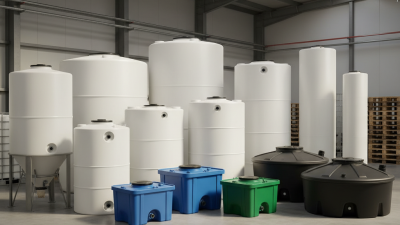
Large plastic water tanks are incredibly versatile for various applications. They are used in agriculture, construction, and even for residential purposes. According to a report by the Plastic Water Storage Association, these tanks can hold anywhere from 50 to over 10,000 gallons. This capacity makes them suitable for both small gardens and large farms. Their lightweight nature allows for easy transport, a bonus for projects needing mobility.
In agriculture, these tanks often provide irrigation solutions. Farmers need reliable water sources, especially in drought-prone areas. A study highlighted that farms using plastic tanks increased their yield by 30% due to better water management. Some users, however, overlook proper maintenance. Algae growth can occur if tanks are not periodically cleaned. This can affect the water quality, leading to potential issues that may need addressing.
In urban settings, large plastic tanks offer efficient solutions for rainwater harvesting. They can help reduce reliance on municipal water supply. A recent analysis showed that homes utilizing these systems can save up to 40% on water bills. Yet, installation is not always straightforward. Some homeowners underestimate the space required for proper setup, leading to inefficiencies. Balancing usage with adequate system design is essential for achieving optimal results.
Top Benefits of Using a Large Plastic Water Tank for Storage Solutions
Environmental Benefits of Using Large Plastic Water Tanks
Large plastic water tanks are gaining traction for their environmental benefits. These tanks, made from recyclable materials, significantly reduce the need for single-use plastic bottles. According to the American Chemistry Council, over 8.3 billion metric tons of plastic have been produced globally, much of which contaminates the environment. By using large plastic tanks, households and businesses can store water sustainably, contributing to reduced plastic waste.
Additionally, these tanks support rainwater harvesting, a practice that can aid in water conservation. A study by the University of Minnesota found that rainwater harvesting can decrease urban runoff by over 90%. By capturing rainwater, users not only conserve potable water but also help maintain local ecosystems. This practice lessens the demand on municipal water supplies, emphasizing the critical need for storage solutions that are eco-friendly.
However, the transition to using large plastic water tanks isn't without challenges. Some communities struggle with the initial cost and installation processes. Furthermore, not all plastics are created equal. Without proper recycling options, these tanks can still end up in landfills. This complicates the environmental narrative. It is essential to promote better recycling practices alongside the adoption of these storage solutions.