Top 10 Benefits of High Pressure Electric Ball Valve for Buyers?
High Pressure Electric Ball Valves are becoming essential in various industries. According to a recent market analysis by Transparency Market Research, the global ball valve market will surpass $40 billion by 2027. This growth highlights the increasing demand for efficient, reliable control systems. The High Pressure Electric Ball Valve, in particular, is engineered for robustness and precision.
These valves excel in applications requiring high fluid pressure and smooth operation. Their electric actuation allows for rapid response and precise control, essential in sectors like oil and gas. Reports from the Flow Control Magazine indicate that automated systems, including electric ball valves, can enhance operational safety and reduce downtime significantly. Buyers are drawn to their energy efficiency, getting more value with reduced operational costs.
Challenges do exist. Some users report initial investment costs can be high. Additionally, technology adoption may require training and adjustments to existing systems. While the long-term benefits are clear, organizations must consider their specific needs and potential hurdles when investing in High Pressure Electric Ball Valves.
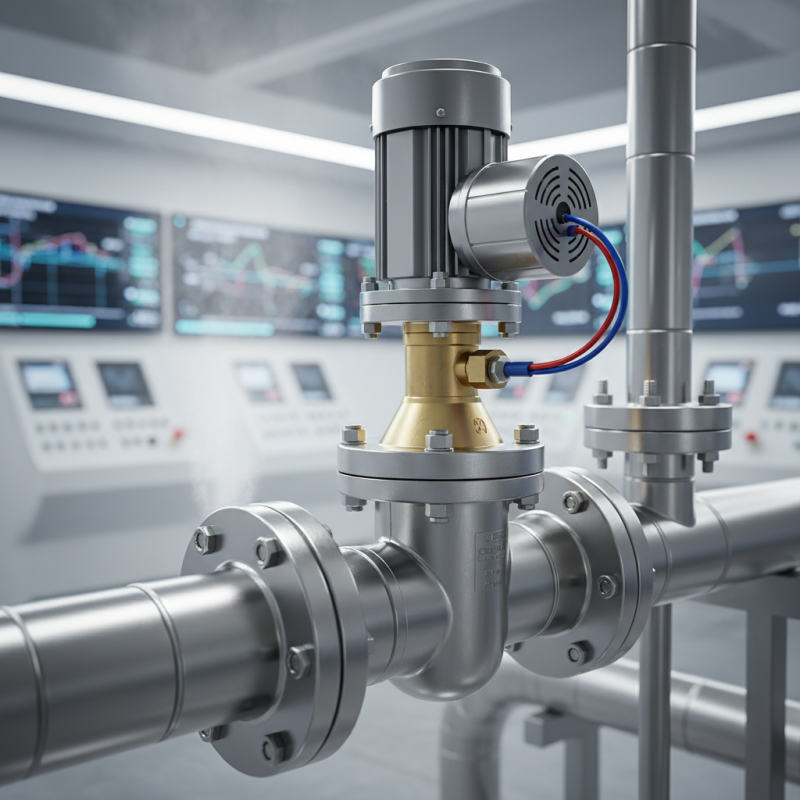
Understanding High Pressure Electric Ball Valves and Their Applications
High pressure electric ball valves are essential in various industrial applications. They offer several advantages over traditional valves. These valves can handle high pressure and provide precise flow control. According to a recent industry report, the global market for electric ball valves is expected to grow at a CAGR of 7.5% from 2021 to 2026. This growth reflects the increasing demand for automated systems in industries like oil and gas.
These valves are designed for reliability and efficiency. Their electric actuators allow for quick response times, reducing downtime. Many facilities report that using these valves has improved their overall system efficiency by 20% or more. However, the high initial cost may deter some buyers. It's crucial to consider the long-term savings associated with reduced maintenance and energy costs.
In practice, high pressure electric ball valves can be complex. Installation requires careful planning and skilled personnel. Some users might struggle with calibration and system integration. Despite these challenges, the benefits can outweigh the drawbacks. As industries strive for automation and efficiency, understanding the applications of high pressure electric ball valves becomes increasingly important. They represent an intersection of technology and reliability in modern infrastructure.
Improved Energy Efficiency: How Electric Ball Valves Save Costs
Electric ball valves are becoming increasingly popular in various industries due to their energy efficiency. Studies indicate that energy costs can account for up to 30% of operational expenses in manufacturing. High pressure electric ball valves significantly reduce energy consumption through precise control of flow rates. This efficiency can lead to savings of up to 25% in energy costs, depending on the system design and application.
The integration of smart technologies in electric ball valves further enhances their efficiency. Many of these valves use advanced sensors to monitor performance in real time. For instance, data from the American Society of Mechanical Engineers shows that automatic control can lead to reduced energy wastage by as much as 40%. This not only saves money but also minimizes environmental impact, aligning with sustainability goals.
Despite their advantages, some users may overlook the importance of regular maintenance. Failing to maintain electric ball valves can lead to reduced efficiency. Regular checks and recalibrations are essential to ensure optimal performance. Even minor issues can escalate into significant problems, resulting in unexpected costs. Users need to recognize this aspect to maximize savings effectively.
Enhanced Control: Precision and Responsiveness of Electric Ball Valves
Electric ball valves are transforming industrial control systems. Their precision and responsiveness are unmatched in modern applications. Users can achieve accurate flow regulation, which is crucial for many processes. The ability to make quick adjustments ensures that systems operate efficiently and safely. This level of control reduces waste and enhances productivity.
One significant advantage is their ability to respond rapidly. Unlike traditional valves, electric ball valves can adjust their positions in milliseconds. This feature is vital in environments where conditions fluctuate rapidly. For instance, in chemical processing, minute changes in flow can impact product quality. The immediate response of these valves helps maintain optimal conditions.
However, there are challenges. Initial setup may require expertise, and maintenance is essential for long-term reliability. If not calibrated correctly, performance may suffer. This complexity can deter some users, pushing them towards simpler solutions. Yet, the enhanced control electric ball valves provide often justifies these challenges, making them a smart investment for modern buyers.
Durability and Longevity: Benefits of Material Choices in Electric Valves
High pressure electric ball valves are becoming vital in many industries. Their durability is largely determined by the materials used in their construction. High-performance materials such as stainless steel and nickel alloys offer excellent resistance to corrosion and wear. According to data from the American Society of Mechanical Engineers (ASME), the lifespan of a high-quality valve can exceed 20 years when proper materials are utilized.
Another critical aspect is the valve's ability to withstand harsh conditions. Research from the Valve Manufacturers Association indicates that electric ball valves suffer less wear compared to traditional options. This can be attributed to the precise fit of components, leading to fewer leaks over time. However, not all electric ball valves maintain the same standard. It's important to evaluate the manufacturer and their material choices carefully.
In high-pressure applications, the right material can prevent catastrophic failures. In some cases, cheaper materials may lead to premature failure. Ensuring your selection is based on rigorous testing and quality standards can mitigate such risks. Overall, informed material choices significantly enhance durability and longevity in high pressure electric ball valves, influencing long-term performance and cost-effectiveness.
Top 10 Benefits of High Pressure Electric Ball Valve
Safety Features: Risk Reduction in High Pressure Applications with Electric Valves
High pressure applications demand reliable equipment that ensures safety and efficiency. Electric ball valves are designed with multiple safety features. These features help to mitigate risks in environments where high pressure is prevalent. They provide precise control over fluid flow, reducing the chance of leaks or failures.
A key safety aspect of electric ball valves is their quick response time. This ensures prompt shut-off during emergencies, keeping workplaces safe. Additionally, many valves come with built-in sensors. These can monitor pressure and detect irregularities. This proactive approach further enhances safety, allowing for immediate intervention.
Tip: Regularly inspect electric ball valves for wear or damage. Timely maintenance can prevent unexpected failures. Look for signs of corrosion or wear on seals.
Another important benefit is the integration of fail-safe mechanisms. These ensure the valve remains closed in case of a power failure. This feature is critical in applications where leaks can lead to catastrophic outcomes. This design not only protects equipment but also safeguards personnel.
Tip: Train staff on emergency procedures. Knowledge of how to react can minimize risks during a malfunction. Familiarity with the equipment boosts confidence and response time.