2025 Top PVC Pipe Fittings: Essential Guide for Quality Plumbing Solutions
The plumbing industry is continually evolving, and in 2025, the demand for high-quality PVC pipe fittings is set to reach unprecedented levels. According to a report by MarketsandMarkets, the global PVC pipes market is expected to grow from USD 53.49 billion in 2020 to USD 76.7 billion by 2026, reflecting an increasing reliance on durable and efficient plumbing solutions. As professionals in the sector strive to meet these demands, selecting the right PVC pipe fittings becomes paramount for ensuring long-lasting installations and optimal performance.
Industry expert Dr. Sarah Thompson, a leading authority on polymer materials, emphasizes the significance of quality in this market, stating, "The choice of PVC pipe fittings can drastically influence the overall reliability of plumbing systems." Her insights underline the critical nature of not only understanding the various options available but also recognizing which fittings can best enhance plumbing infrastructure. As we explore the top 5 PVC pipe fittings in this essential guide, we aim to provide valuable insights that will support informed decision-making for both professionals and DIY enthusiasts alike.
Understanding PVC Pipe Fittings: Key Characteristics and Benefits
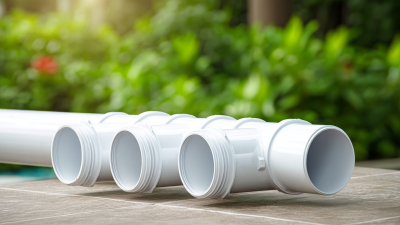
PVC pipe fittings are essential components in modern plumbing systems, known for their durability and versatility. One of the key characteristics of PVC fittings is their resistance to corrosion, which significantly enhances their lifespan compared to traditional materials like copper or galvanized steel. Furthermore, PVC is lightweight, making installation easier and more cost-effective. These fittings can handle a wide range of temperatures and pressures, which is important for various applications in both residential and commercial plumbing.
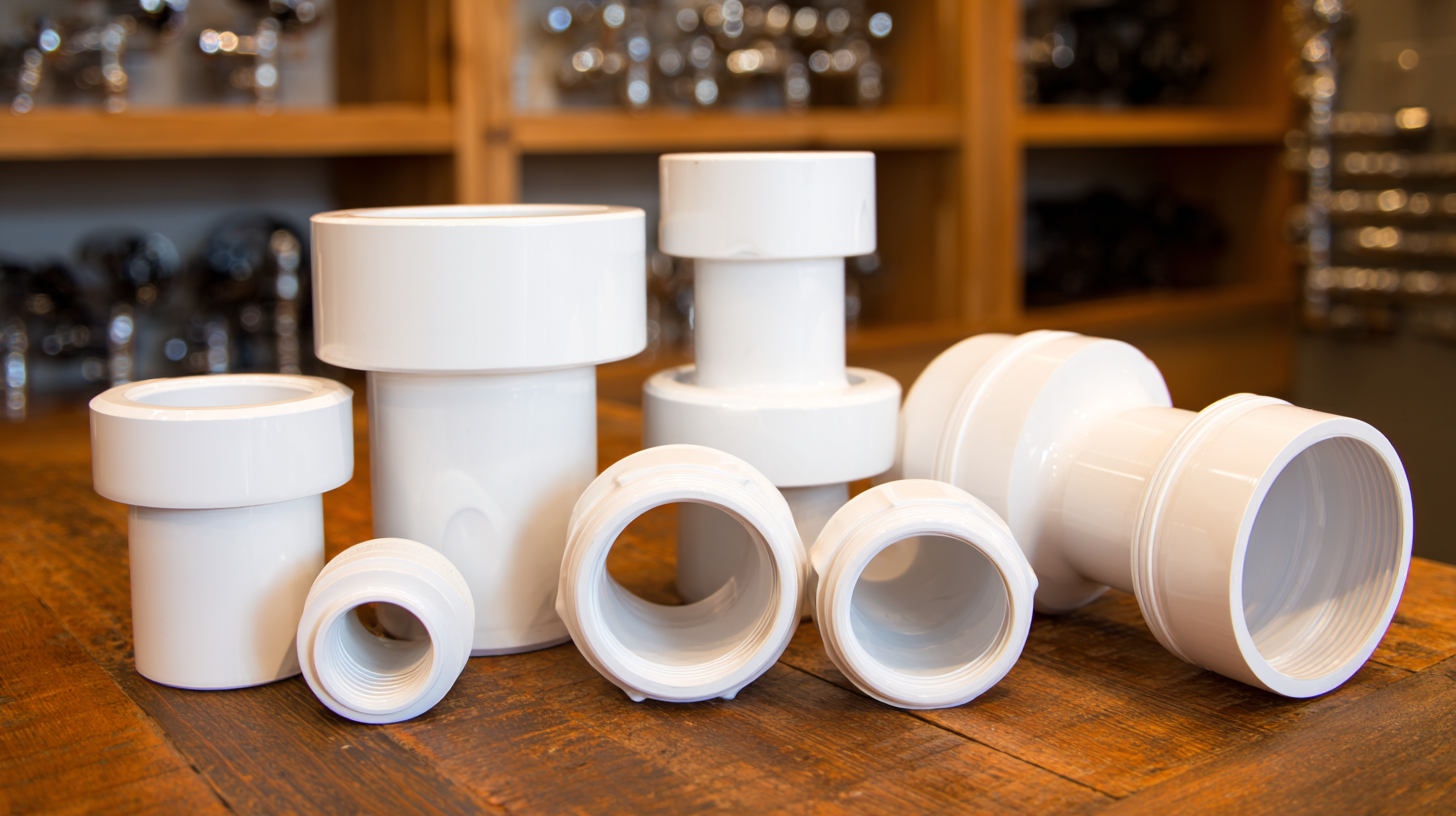 The benefits of plastic pipes, as highlighted by industry associations, include not only their longevity but also their energy efficiency during manufacturing and transportation. PVC pipes are less prone to leaks, which can reduce water waste and associated costs. Additionally, the market for PVC pipes is expected to grow significantly, indicating a strong trend toward utilizing these materials for plumbing solutions. With advancements in technology, push-fit fittings and other innovations in PVC fittings continue to enhance their reliability and ease of use, making them an excellent choice for both new installations and repairs.
Top Factors to Consider When Choosing PVC Pipe Fittings for Your Plumbing Needs
When selecting PVC pipe fittings for your plumbing needs, several key factors must be considered to ensure functionality and longevity.
First, consider the schedule rating of the fittings, which indicates the fitting's thickness and pressure rating.
Common ratings include Schedule 40 and Schedule 80, with Schedule 80 being thicker and suited for higher pressure applications.
Choosing the appropriate schedule helps prevent leaks and potential bursts in high-demand plumbing systems.
Another crucial factor is the chemical compatibility of the fittings with the fluids they will carry.
Certain substances can degrade PVC, leading to failure over time. Consider the type of water, any additives, and environmental exposure to ensure your fittings remain intact and functional.
Additionally, the fitting's design and ease of installation should not be overlooked.
Options like slip fittings and threaded fittings can greatly simplify the installation process and accommodate different plumbing requirements.
Choosing the right design enhances both the efficiency of the installation and minimizes future maintenance issues.
The Importance of Quality in PVC Pipe Fittings: Impacts on System Performance
Quality is paramount when selecting PVC pipe fittings, as it directly affects the performance and longevity of plumbing systems. High-quality fittings ensure a tight and secure connection, minimizing the risk of leaks that can lead to costly damage and repairs. When inferior fittings are used, the integrity of the entire system is compromised, resulting in reduced water pressure and inefficient flow. This can create a cascading effect on plumbing performance, ultimately hindering the functionality of fixtures and appliances throughout a property.
In addition to preventing leaks and improving efficiency, quality PVC pipe fittings also contribute to the safety and durability of the plumbing system. They are designed to withstand various environmental stresses, including temperature fluctuations and chemical exposure. When high-quality materials are utilized, the fittings not only last longer but also maintain their structural integrity over time, reducing the likelihood of failures. Thus, investing in quality PVC fittings is crucial for ensuring that plumbing systems operate reliably and effectively, safeguarding both property and resources.
2025 Top PVC Pipe Fittings: Essential Guide for Quality Plumbing Solutions
| Fitting Type |
Material Quality |
Pressure Rating (psi) |
Temperature Resilience (°F) |
Typical Applications |
| Elbow |
High-Density PVC |
Schedule 40 - 280 |
140 |
Drainage, Venting |
| Tee |
UV Stabilized PVC |
Schedule 80 - 480 |
140 |
Water Supply, Sprinkler Systems |
| Coupling |
Reinforced PVC |
Schedule 40 - 280 |
140 |
General Purpose |
| Cap |
High-Strength PVC |
Schedule 40 - 280 |
140 |
Sealing Ends of Pipes |
| Bend |
Flexiblized PVC |
Schedule 40 - 280 |
140 |
Flexible Routing |
Innovative PVC Pipe Fitting Designs for Modern Plumbing Applications
In the ever-evolving world of plumbing, innovative PVC pipe fitting designs play a crucial role in enhancing the functionality and efficiency of modern systems. Recent advancements have led to the development of fittings that not only provide excellent sealing capabilities but also allow for easier installation and maintenance. These innovative designs cater to a variety of applications, including residential, commercial, and industrial sectors, ensuring that plumbing solutions are both reliable and efficient.
When selecting PVC pipe fittings, consider these essential tips: first, look for fittings with reinforced structures that can withstand high pressure and temperature fluctuations. Additionally, choose fittings with easy-to-use connection methods, such as push-fit designs or solvent welding, which can significantly reduce installation time. Lastly, ensure that the fittings are compliant with relevant industry standards to guarantee durability and safety in your plumbing systems.
As plumbing needs continue to adapt, exploring innovative PVC pipe fitting designs will empower you to tackle new challenges effectively. Prioritizing quality and functionality in your choices can result in long-lasting solutions that not only meet but exceed your plumbing requirements.
Common Mistakes to Avoid When Selecting PVC Pipe Fittings for Your Projects
When selecting PVC pipe fittings for your plumbing projects, avoiding common pitfalls can significantly enhance the overall quality and reliability of your system. One major mistake is underestimating the importance of proper sizing. According to the American Society of Plastic Engineers, improper fitting sizes can lead to significant flow restrictions, which may cause pressure loss and potential system failures. Ensuring that fittings match the pipe dimensions and specifications is critical for optimal performance.
Another common error is neglecting to consider the material quality. Low-grade PVC can become brittle over time, leading to cracks and leaks. Industry reports indicate that using certified, high-quality fittings can enhance durability and reduce maintenance costs by up to 30%. It's crucial to select fittings from reputable manufacturers that comply with ANSI and ASTM standards, ensuring that they can withstand varying environmental conditions and pressures.
Finally, many professionals overlook the significance of joint types and connection methods. Choosing the wrong joint can result in leaks and structural issues. Research from the Plastics Pipe Institute indicates that solvent-welded joints provide a stronger connection compared to threaded ones, which can be prone to wear and tear over time. By being mindful of these common mistakes, you can ensure your plumbing solutions are effective and long-lasting.